
Are HMOs Still Profitable in 2026? (Yes—If You Build for Value, Not Just Headcount)
Short answer: yes—HMOs can still be very profitable in 2026.
But only if you stop chasing headcount and start maximising value.
I’ve done tens of millions of pounds in HMO projects. Over the last three years I refined the portfolio hard. When I started, I tried to cram in rooms to pump the GDV. It looked great on paper… until reality showed up.
Small rooms = big problems. They’re the last to rent, first to go empty, and they attract more tenant issues.
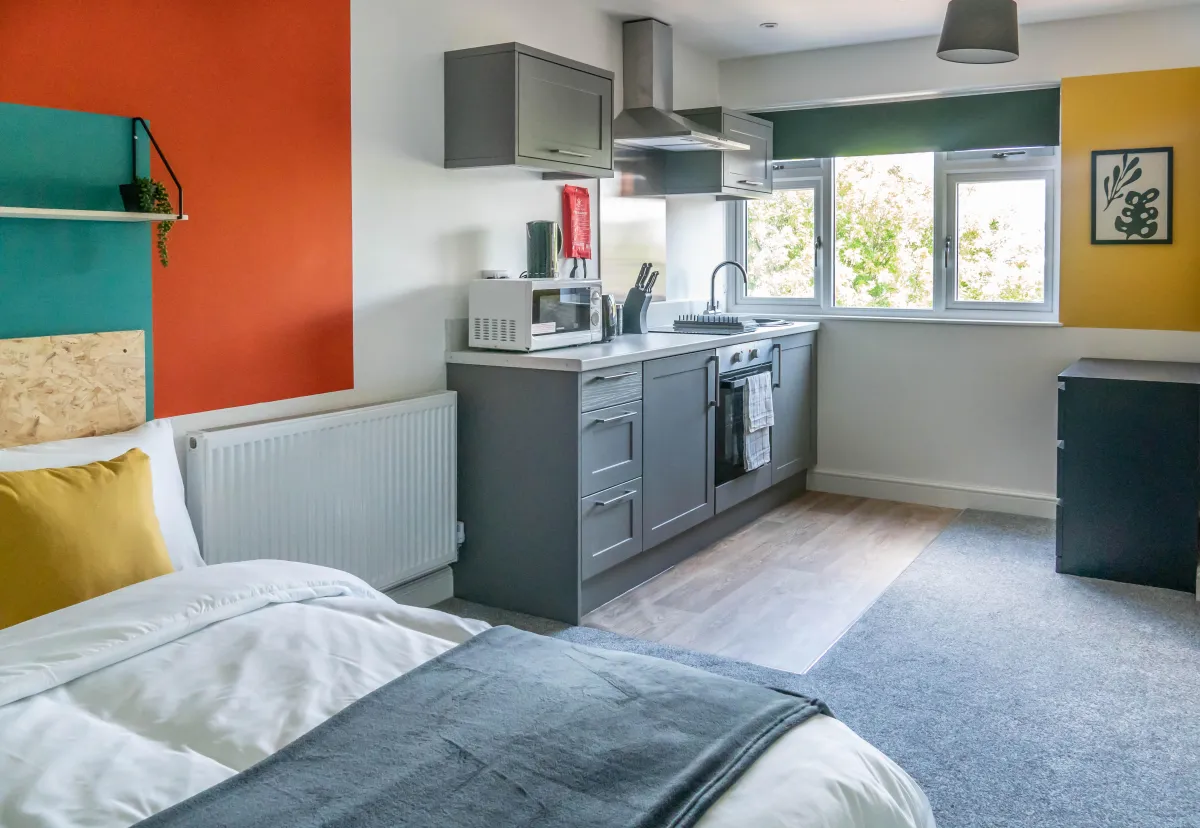
More rooms ≠ more money. On the same street where I had several 6-bed HMOs, I converted one to five studios instead. That single studio property outperformed the 6-beds. Higher rents, lower voids, better tenants, calmer operations.
The lesson: maximise value, not unit count.
2026 Profit Levers That Still Work
1) Bigger, better spaces beat “shoe-box” rooms
Prioritise studios and generous ensuites over squeezing in extra bedrooms.
Quality rooms rent faster, stay occupied longer, and attract tenants who respect the house.
I’m not the person who puts 7–8 rooms on one bathroom—that’s madness. I’ve had 6–8 bed HMOs with some shared facilities, but the more you push quality and privacy, the more stable (and profitable) it gets.
2) Article 4 = built-in scarcity
When you get HMO permission where new HMOs are restricted, the value can jump before any refurb.
Example: Purchased £180,000 → secured planning for 7-bed HMO → value £250,000 with zero work done → later refinanced at £460,000.
Article 4 doesn’t mean “no”; it means scarcity. Scarcity is valuable.
3) The “finished HMO” strategy (my favourite 2024–2026 pivot)
You don’t have to convert everything yourself. I’ve been buying already-finished HMOs—often 5–6+ years old from landlords who locked in low rates and now face refinancing.
Day-1 cash flow (no build risk, no downtime).
On the right assets, banks can go up to ~90% (criteria-dependent), which means less cash in and faster scaling.
You can still add value post-purchase (EPC upgrades, ops improvements, better management, light refurb).
I’m not saying “never do projects.” I’m saying there’s also smart money in buying tired but compliant HMOs and turning them into premium income machines—from day one.
Common 2026 Mistakes (Avoid These)
Chasing fake GDVs. People boast crazy end-values, then forget the cash flow. Your lender and your wallet care about income.
Tiny rooms to win on paper. Voids, churn and complaints will eat your “saving.”
Ignoring compliance. HMO licence, Article 4, EPC path, FRA, EICR—non-negotiable.
No exit clarity. If you can’t describe your exit in one line, you don’t have one.
Quick Profitability Checklist (Copy/Paste)
Room strategy: Fewer, larger rooms / studios > maximum headcount.
Location rule: Article 4 or high-demand pockets win on occupancy & rates.
Day-1 maths: Target DSCR ≥ 1.30 at lender stress rate (Annual NOI / Annual Debt Service).
Finance: For finished HMOs, explore up to ~90% bank finance on strong income & compliance.
Ops upgrades: EPC improvements, sound management, cleaning contracts, strong house rules.
Voids: Design for retention (privacy, storage, decent kitchens), not just first-let.
Refi reality: Sensitivity test GDV −5–10% and costs +5–10%. If it still works, proceed.
Paperwork: HMO licence (or clear path), Article 4 history, FRA, EICR, Gas, EPC. File everything.
FAQ (Straight Answers)
Are HMOs still profitable in 2026?
Yes—when you build for value. Larger rooms/studios, Article 4 scarcity, and buying finished HMOs with strong income can deliver robust returns.
Studios or 6-beds?
On the same street, my five-studio HMO beat multiple 6-beds. Quality wins.
Does Article 4 still help?
Yes. It restricts supply and can create instant uplift when permission is granted—even before works.
Build or buy finished?
Both work. In 2026, buying compliant, finished HMOs from landlords under refi pressure is a fast, cash-flowing route with lower execution risk.
How much will banks lend?
Deal- and lender-dependent, but on the right finished assets with strong income & compliance, up to ~90% has been achievable. Always verify current criteria.
Reminder: Property and finance carry risk. This is information, not advice. Do your own due diligence and speak to qualified professionals.
Want the exact templates we use?
Inside UFN (Ultimate Freedom Network) you’ll get:
👉 Join UFN here
Do the right thing for the right reason. In 2026, HMOs still work—when you build for value, protect cash flow, and stay disciplined.